
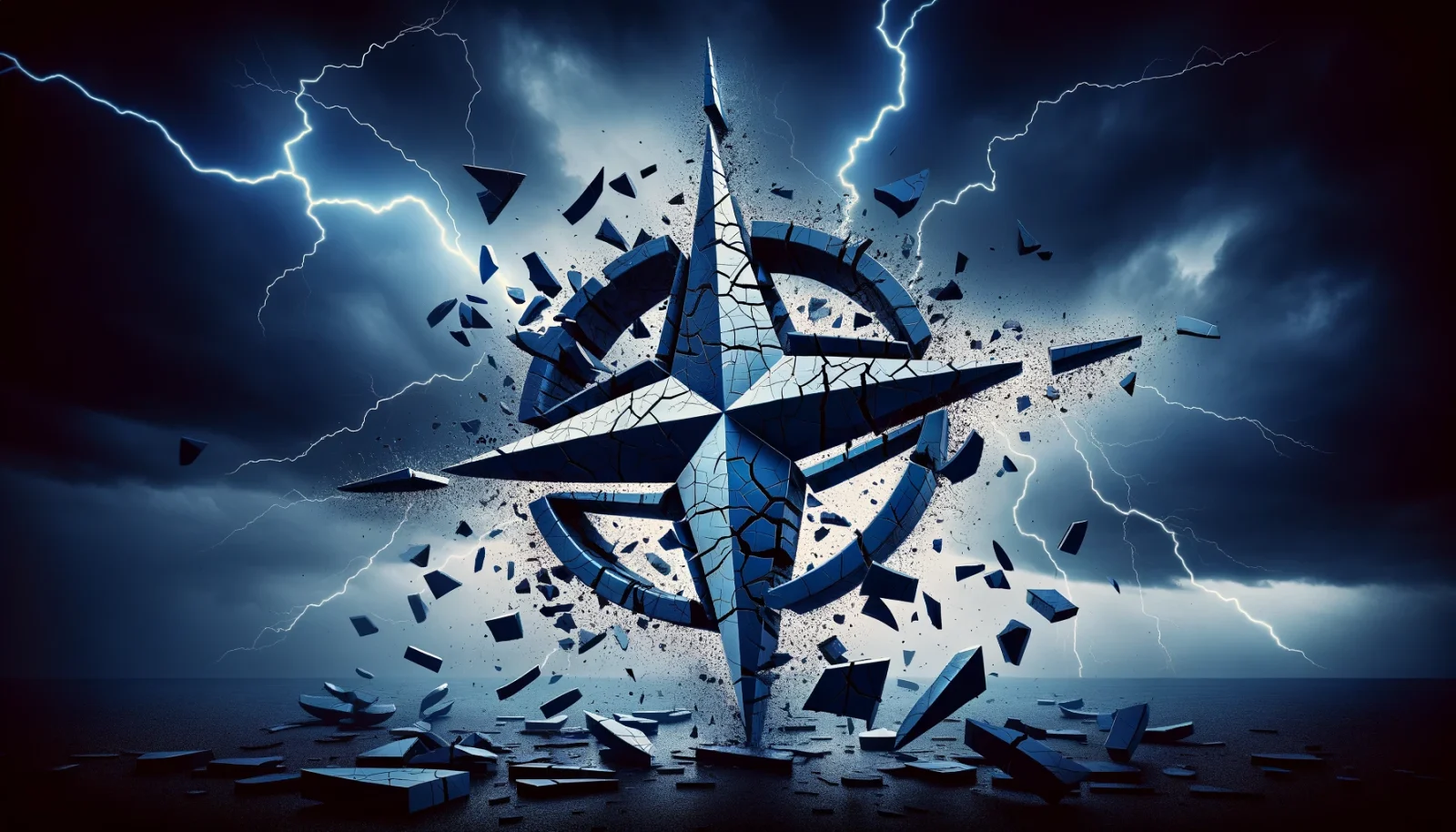

Ex-President Donald Trump is back in the spotlight for controversial statements he made. While speaking in South Carolina, he commented on NATO, suggesting if member countries don’t pay their fair share, he might just nudge Russia to attack them. These remarks have caused an uproar with many slamming them as reckless and dangerous.
The Rally Remarks
Trump, at his rally, recounted talking to a foreign leader he called “one of the presidents of a big country.” The leader supposedly asked if the U.S would defend them against a Russian invasion despite not meeting their NATO financial obligations. Trump’s reply was straightforward but shocking: “I said, ‘You haven’t paid, you’re behind?’… Actually, I’d say go ahead do whatever the hell you want. You must pay. Bills need to be settled.”
White House and NATO’s Response
Officials from both the White House and NATO were quick to slam Trump’s statements. A representative from the White House labeled them as “outrageous and irrational,” pointing out the risk they bring to U.S. security, global peace, and our economy. NATO reaffirmed its dedication to Article 5 – an attack on one ally is an attack on all – and stressed that America’s defense budget isn’t tied to how NATO splits its costs, which all allies contribute to.
Historical Context and Criticism
Trump has always had a bit of a bone to pick with NATO; his presidency was marked by frequent criticism and threats to pull out of the alliance. His recent remarks have scared people into thinking that such attitudes could harm NATO’s strength, especially when tensions with Russia are high after its invasion of Ukraine. Critics like California Democrat Rep. Adam Schiff have voiced their alarm over these statements.
Former U.S. Army Lieutenant General Mark Hertling, ripped into Trump’s lack of understanding concerning NATO and the risky consequences of his words.
U.S. Foreign Policy and Security Effects
The pushback against Trump’s comments signals deeper worries about how such talk could affect America’s foreign policy and safety. Analysts believe that attacking NATO’s credibility might give confidence to foes and damage bonds that are key to keeping worldwide peace. Trump stating he might not come to the aid of overdue NATO countries if attacked and nudging Russian boldness marks a sharp turn from the U.S.’s usual support for combined defense and global steadiness.
NATO’s Defense Spending
From 2006, NATO countries agreed to aim for spending at least 2 percent of their GDP on defense by 2024. Although not everyone’s hitting this goal yet, defense spending has definitely gone up since Russia took over Crimea and invaded Ukraine. Trump’s harping on how much countries pay doesn’t take into account NATO’s strategic value or how the alliance actually works, with its combined defense mindset.
Responses and Fallout
Feedback on Trump’s statements came quick and hard. Experts on NATO and political leaders slammed him for getting the alliance’s finance system wrong and putting collective security at risk. This fuss has put a spotlight back on the divisive nature of Trump’s approach to foreign policy, sparking debate about what America might do in international partnerships moving forward.
What Comes Next
With the political scene changing, the arguments surrounding NATO and the U.S.’s role in the world emphasize why it’s important to really get and stand by international coalitions. Trump’s commentary is a nudge about the hurdles NATO faces and shows how crucial it is for there to be solid, steady support.
Support for shared defense strategies. People around the world are keeping an eye on how the United States deals with these tricky political situations. They’re hoping for stability, safety, and teamwork to win out in the end.
